

End-of-Life Care at Home in Lahore
Gentle nursing and caregiving for loved ones in the last stage of illness, with pain and symptom relief as prescribed, dignity in every task and support for the whole family.
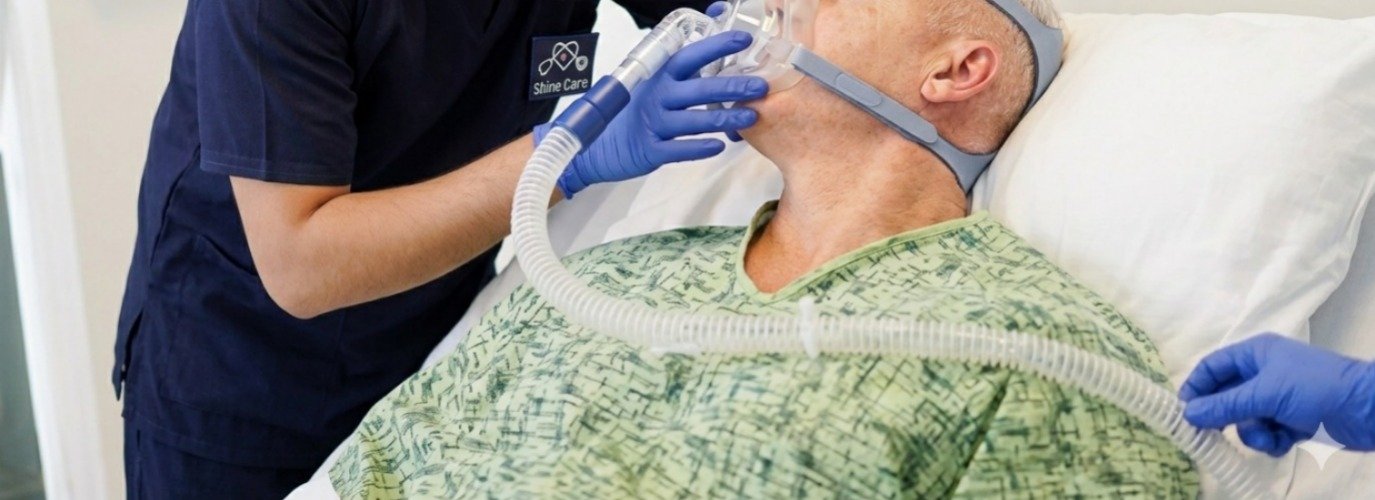
When doctors say that treatment can no longer cure an illness, many families in Lahore want one thing above all: to bring their loved one home and keep them comfortable. Shine Care provides end-of-life care at home in Lahore, so your mother, father or spouse can spend this time in their own bed, among family, with their pain and symptoms looked after.
Our nurses and caregivers support patients with advanced cancer, heart, lung, kidney or liver failure, advanced dementia, and frail elders whose bodies are gradually slowing down. We focus on comfort, dignity and supporting the family, and we work with the treating doctor's plan at every step.
When Families Choose Comfort Care at Home
- The doctor has explained that the illness is now advanced and the focus should be on comfort
- Your loved one has asked to be at home rather than in hospital
- Repeated hospital admissions are tiring your loved one with little benefit
- Your loved one is mostly bedridden and needs help with all daily care
- Pain, breathlessness or restlessness need regular attention
- Family members are exhausted, or children abroad need trusted care in place
What Our End-of-Life Care Includes
Pain and symptom relief
- Pain medicines given on time, exactly as the doctor prescribed, including injections
- Watching for signs of pain in patients who cannot speak, such as frowning, groaning or restlessness
- Help with breathlessness: sitting upright, a fan, calm reassurance, and oxygen if prescribed
- Reporting nausea, constipation, restlessness or new symptoms so the doctor can adjust treatment
Physical comfort
- Gentle turning and soft pillows to relieve pressure and prevent sores. See pressure sore care
- Mouth care several times a day, keeping lips and mouth moist
- Clean, dry skin and fresh bedding
- Catheter, feeding tube and wound care where needed
Dignity and respect
- Same-gender staff for personal care, with privacy maintained
- Speaking to your loved one gently, even when they seem asleep, because hearing often remains
- Respecting religious wishes: Quran recitation, prayer, wuzu or tayammum help, and family gatherings
Equipment
A hospital bed, air mattress, oxygen, suction machine or commode can make a big difference to comfort. See medical equipment rental in Lahore.
Nurse, Caregiver or Patient Attendant: Who Does What?
Most families need a nurse for medicines and symptom care, and a caregiver for round-the-clock comfort and personal care.
| Task | Nurse | Caregiver | Patient Attendant |
|---|---|---|---|
| Giving prescribed pain and symptom medicines, including injections | Yes | Reminders only | No |
| Watching for pain, breathlessness, restlessness and nausea | Yes | Notices and reports | Reports changes |
| Catheter, feeding tube, suction and wound care | Yes | No | No |
| Mouth care, keeping lips and mouth moist | Yes | Yes | Yes |
| Turning, positioning and pressure area care | Yes | Yes | Yes |
| Bathing, changing and keeping the bed fresh | Can help | Yes | Yes |
| Sitting with the patient and keeping the room calm | Yes | Main role | Yes |
| Explaining changes to the family and updating the doctor | Yes | Shares what they observe | No |
The doctor decides all treatment, including pain medicines. A physiotherapist may help with positioning and breathing comfort in some patients. For patients with cancer, see our cancer care.
What a Home Nurse Can and Cannot Do
Our nurses can
- Give prescribed medicines, including injections and drips
- Monitor comfort, pain and breathing, and keep clear records
- Manage catheters, feeding tubes, suction and wounds
- Explain to the family what they are seeing, in simple words
- Keep the doctor informed about changes
Our nurses cannot
- Decide or change medicines or doses
- Make decisions about hospital transfer, ventilators or resuscitation. These are discussed between the family and the doctor
- Predict exactly how much time remains
- Give anything that is not part of the doctor's prescribed plan
Our role is to keep your loved one as comfortable as possible and to support you, always within the doctor's care plan.
A Gentle Daily Routine
At this stage, routines follow your loved one's comfort, not the clock. A day may look like this:
- MorningA gentle wash in bed, fresh clothes and sheets, mouth care, and a change of position. Morning medicines as the doctor prescribed.
- Mid-morningRest. Family visits kept short if your loved one tires easily. Quran recitation or quiet conversation if they find it comforting.
- MiddaySmall sips or soft food only if your loved one wants them. No one is forced to eat or drink.
- AfternoonRepositioning every few hours, skin checks, mouth care. The nurse reviews pain and comfort and informs the doctor of any change.
- EveningLights dimmed, the room kept calm, family gathered as they wish. Evening medicines as prescribed.
- NightNight staff stay awake, keep your loved one comfortable and call the family at once if anything changes.
Emotional Support for the Family
Caring for someone at the end of their life is one of the hardest things a family goes through. Feelings of sadness, guilt, fear, even relief, are all normal.
- You don't have to do everything yourself. Let our staff take over the physical care so you can simply be with your loved one
- Talk to each other. In joint families, sharing shifts and decisions eases the load on one person
- Ask questions. Our nurse will explain changes in plain words, as many times as you need
- Keep family abroad close. We can help arrange video calls so they can see and speak to their loved one
- Look after yourself. Eat, rest and accept help from relatives and friends
- Seek support. Talk to your doctor, a counsellor, or your imam or religious scholar if you are struggling
Our staff will treat your family's grief with patience and respect.
Changes You May Notice in the Final Days
Every person is different, but in the last days families often notice:
- More sleep and less response
- Little interest in food or drink
- Changes in breathing, with pauses or noisy breathing
- Cool hands and feet, or changes in skin colour
- Moments of confusion or restlessness
These can be part of the natural process. Our nurse will explain what is happening, keep your loved one comfortable and inform the doctor.
When to Call the Doctor or Rescue 1122
Call the doctor urgently, or Rescue 1122 or the nearest emergency if that is part of your agreed plan, if your loved one has:
- Severe pain that is not settling with the prescribed medicines
- Sudden severe breathlessness or choking
- A fit (seizure)
- Heavy bleeding
- A fall with injury
- Sudden severe distress or agitation
Talk to the doctor in advance about what to do in these situations, so the family is not left unsure at night.
Care Options
- Nurse visits: for medicines, injections, catheter or wound care, with a caregiver or family covering the rest
- 12-hour day or night shift: a nurse or caregiver at the bedside so the family can rest
- 24-hour care: round-the-clock nursing or caregiving, usually needed in the final weeks or days
Charges depend on the staff and hours needed. Call or WhatsApp us and we will guide you gently through the options.
Areas We Serve in Lahore
From our office in Gulberg III, we provide end-of-life care at home in Lahore across DHA, Gulberg, Model Town, Johar Town, Bahria Town, Cantt, Garden Town, Faisal Town, Wapda Town, Allama Iqbal Town and nearby areas. For elderly patients with long-term needs, see our elderly care at home, and for all services see our home nursing services in Lahore.
How to Book
- Call or WhatsApp us on +92-344-922-6778.
- Share the doctor's latest notes, prescriptions and your loved one's current condition.
- We suggest the right nurse or caregiver and help you arrange any equipment needed.
- Care begins, with regular updates for the family and contact with the doctor.
To understand comfort-focused care, see the WHO palliative care fact sheet.
Frequently Asked Questions
For many patients, yes. When the doctor agrees that the focus is now on comfort, much of that care can be given at home with the right staff, equipment and medicines prescribed by the doctor. Many families in Lahore prefer this so their loved one can be among family in familiar surroundings.
The aim of this care is to keep pain and other symptoms as well controlled as possible. Our nurses give pain medicines exactly as prescribed and tell the doctor promptly if pain is not settling, so the doctor can review the treatment.
Our nurses give medicines only as the treating doctor has prescribed, including strong painkillers when the doctor has ordered them. The nurse does not decide the medicine or the dose.
Eating less is a natural part of the last stage of many illnesses, and forcing food can cause discomfort or choking. Whether a drip or tube would help is a decision for the doctor and family together. Our nurse will keep his mouth moist and comfortable either way.
Palliative care focuses on comfort and quality of life in serious illness and can start much earlier, even alongside treatment. End-of-life care is the part of palliative care given in the last weeks or days of life.
Yes. This is your home and your loved one. Our staff work around the family, so you can sit with them, pray, talk or simply be present while we look after the physical care.
Yes. Personal care for women is done by female staff, and for men by male staff, unless the family wishes otherwise.
We understand that time matters in this situation. Call or WhatsApp us and we will do our best to arrange staff as soon as possible, depending on availability.
We Are Here for Your Family
Tell us about your loved one and what your family needs right now. For end-of-life care at home in Lahore, we will arrange gentle, trained support as soon as we can.