Stroke Care at Home in Lahore
Trained nurses and caregivers for paralysis patient care, NG tube feeding, bedsore prevention and daily rehabilitation support at home, following your doctor's plan, with nursing available 24/7.
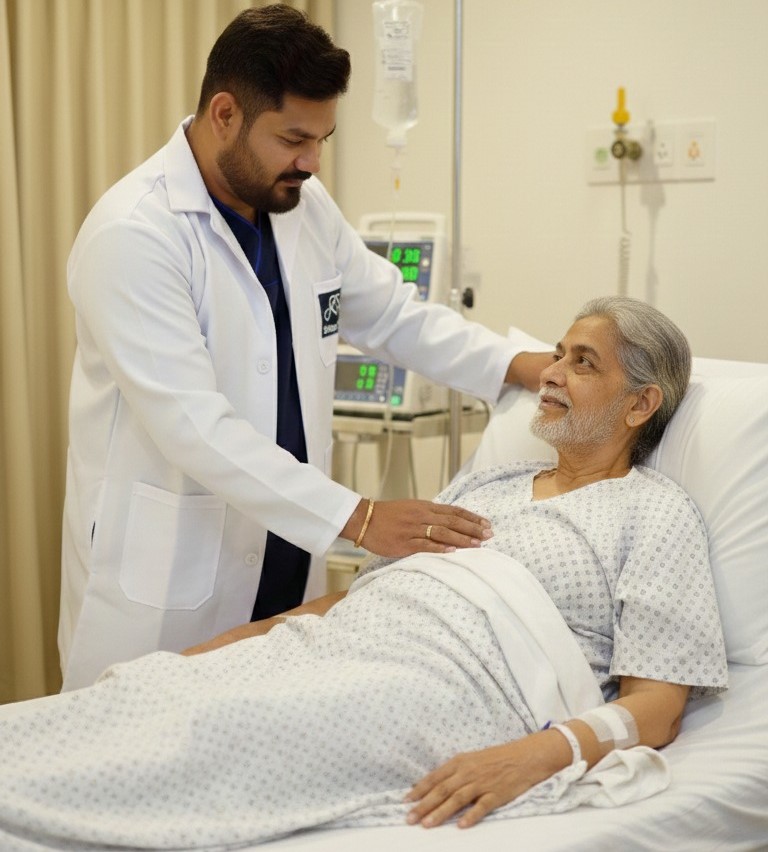
A stroke changes life overnight. One day your father is walking to the mosque; the next he cannot lift his arm or say your name clearly. Shine Care provides stroke care at home in Lahore, with trained nurses and caregivers who help your loved one stay safe, avoid complications and work towards recovery in familiar surroundings.
We care for patients after ischaemic and haemorrhagic strokes, from those with mild weakness to fully bedridden patients who need tube feeding and round-the-clock help. Many families we support have just been discharged from a major Lahore hospital, are managing care within a joint family, or have children abroad who want trusted care for their parents.
Signs Your Loved One Needs Stroke Care at Home
- Weakness or paralysis on one side, so they cannot walk, turn or use the washroom alone
- Swallowing difficulty, coughing on food or drink, or an NG tube in place
- A urinary catheter, or bladder and bowel accidents
- Slurred speech or difficulty understanding, making communication frustrating
- Risk of bedsores from long hours lying in one position
- Several medicines for blood pressure, sugar, cholesterol or blood thinning
- The family member doing most of the lifting is exhausted or getting back pain
What Our Stroke Care Includes
Paralysis patient care
- Turning and positioning every few hours, with the weak arm and shoulder well supported
- Safe transfers from bed to chair, commode or wheelchair
- Bathing, dressing, toileting and pad changes with dignity and same-gender staff
Bedsore prevention
- Daily skin checks over the back, hips, heels and elbows
- Clean, dry skin and smooth, wrinkle-free sheets
- Pillows and an air mattress where needed. See medical equipment rental
Swallowing and NG tube feeding at home
- Feeding only in a fully upright position, slowly, as the doctor or speech therapist advises
- NG tube feeding at home by a nurse: checking the tube, giving feeds, water and medicines as prescribed
- Mouth care several times a day, which lowers the risk of chest infection
Medicines and monitoring
- Medicines given exactly as prescribed, including blood thinners
- Blood pressure checks and a written log, since high BP is a major stroke risk. See hypertension care
- Sugar checks for diabetic patients, and catheter care where needed
Stroke rehabilitation at home
- Daily practice of the exercises set by the physiotherapist. See physiotherapy services in Lahore
- Encouraging use of the weak side in everyday tasks
- Patient, simple communication and help with speech practice
Nurse, Caregiver or Patient Attendant: Who Does What?
Most stroke patients need a nurse for medical tasks and a caregiver for the many hours of daily lifting, turning and personal care.
| Task | Nurse | Caregiver | Patient Attendant |
|---|---|---|---|
| Prescribed medicines, injections and BP checks | Yes | Reminders only | No |
| NG tube feeding and tube care | Yes | No | No |
| Catheter care and suctioning | Yes | No | No |
| Turning every few hours to prevent bedsores | Yes | Yes | Yes |
| Bathing, dressing, toileting and pad changes | Can help | Yes | Yes |
| Safe feeding by mouth when the doctor allows it | Yes | Trained to assist | Helps under guidance |
| Helping with exercises the physiotherapist set | Can help | Yes | Yes |
| Noticing new weakness, drowsiness or speech change | Yes | Reports at once | Reports at once |
The doctor decides all treatment. A physiotherapist leads movement rehabilitation, and a speech therapist may help with swallowing and speech. For patients needing close clinical monitoring, see our ICU-trained nurse service.
What a Home Nurse Can and Cannot Do
Our nurses can
- Give prescribed medicines and injections
- Manage NG tube feeding, catheters and suctioning
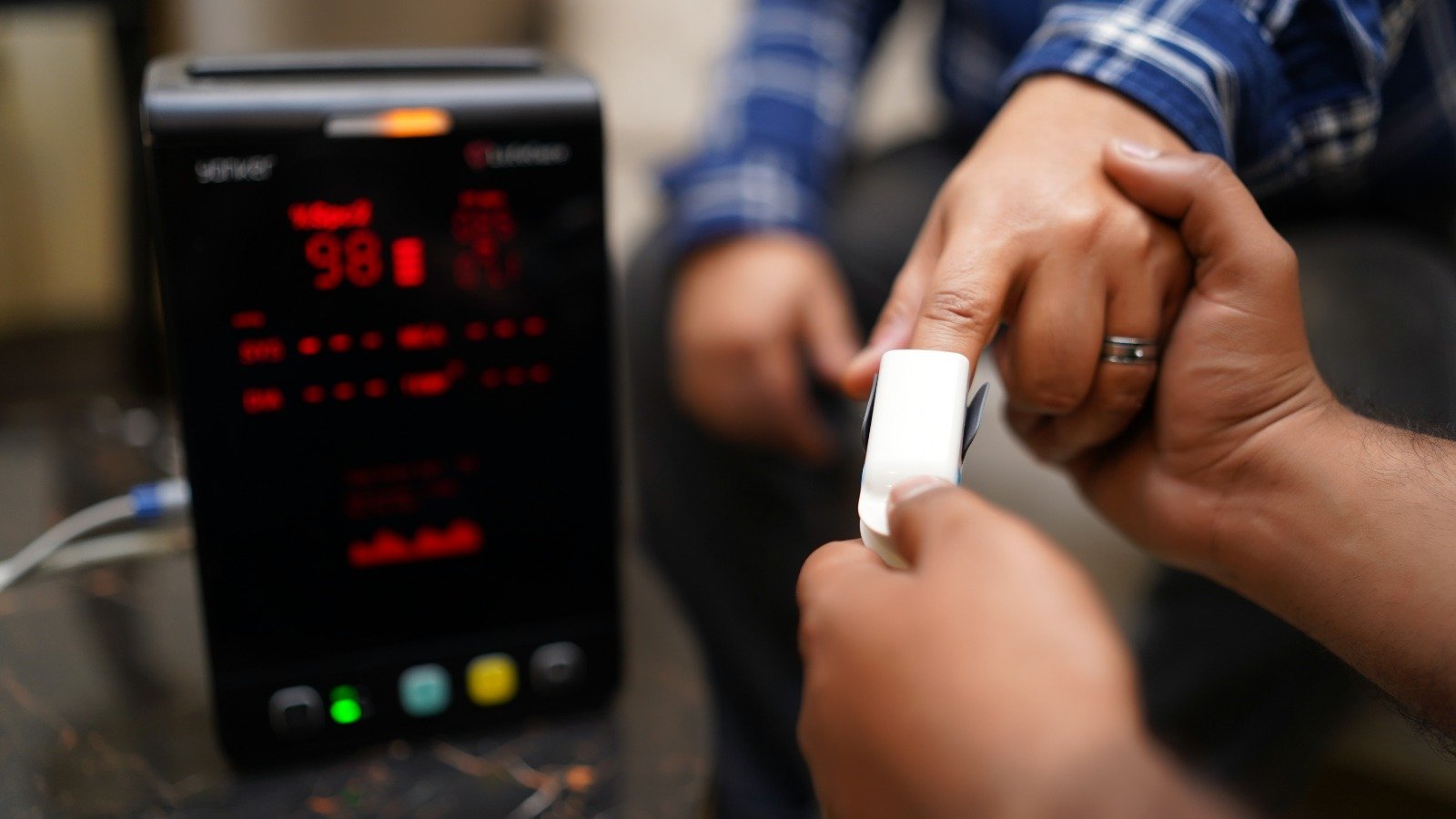
- Monitor BP, sugar and other vital signs, and keep records
- Recognise warning signs of complications or another stroke
- Teach your family safe lifting, turning and feeding
Our nurses cannot
- Diagnose the type of stroke or decide treatment
- Start, stop or change blood thinners or other medicines
- Decide when it is safe to eat by mouth. This needs the doctor or speech therapist
- Promise a full recovery
A Sample Daily Routine
Every plan follows the doctor's and physiotherapist's advice. A typical day for a partly paralysed patient might look like this:
- 7:00 amBP check, morning medicines as prescribed, mouth care and a change of position.
- 8:00 amBreakfast sitting fully upright, by mouth or NG tube as the doctor has advised.
- 9:30 amBed bath or supported shower, skin check over hips, heels and back, fresh clothes.
- 11:00 amExercises the physiotherapist set: moving the weak arm and leg, sitting balance, standing practice if allowed.
- 1:00 pmLunch upright, then 30 minutes sitting up before lying back.
- 3:00 pmTurn and reposition, fluids, short rest. Simple speech practice or conversation.
- 5:00 pmTime in a chair or wheelchair, a visit from family, or sitting in the lawn when the weather allows.
- 8:00 pmDinner and evening medicines. BP recorded.
- NightTurning every few hours, catheter or pad care, and checks for any sudden change.
Guidance for Your Family
- Never pull on the weak arm when lifting or turning
- Sit on the weak side when talking, to encourage your loved one to turn towards it
- Be patient with speech: give time to answer, use short sentences and yes/no questions
- Keep fluids up in the Lahore heat, as the doctor allows
- Watch mood: low mood and frustration are common after a stroke, so tell the doctor if they persist
- Protect your back: learn safe lifting from our staff, and use equipment where needed
When to Go to Hospital Immediately
Know the B.E. F.A.S.T. warning signs of stroke:
- B – Balance: sudden loss of balance, dizziness or trouble walking
- E – Eyes: sudden blurred, double or lost vision in one or both eyes
- F – Face: one side of the face drooping, or an uneven smile
- A – Arm: weakness or numbness in one arm or leg; one arm drifts down when both are raised
- S – Speech: slurred speech, or difficulty speaking or understanding
- T – Time: call Rescue 1122 or go to the nearest emergency immediately, and note the time symptoms started
Also go to hospital immediately for:
- A sudden, severe headache unlike any before
- A fit (seizure), or your loved one cannot be woken
- Choking, or breathing that becomes noisy and difficult
- Chest pain or very high blood pressure with headache or confusion
- A fall with a head injury
Someone who has had one stroke is at risk of another. Every hour counts, so never wait to see if symptoms pass.
Care Options
- Visit-based nursing: for NG tube changes, catheter care, injections or BP checks
- 12-hour day or night shift: a caregiver for lifting, turning, feeding and personal care
- 24-hour care: for bedridden or tube-fed patients who need help around the clock
Charges depend on the type of staff and hours needed. Call or WhatsApp us and we will explain the options.
Areas We Serve in Lahore
From our office in Gulberg III, we provide stroke care at home in Lahore across DHA, Gulberg, Model Town, Johar Town, Bahria Town, Cantt, Garden Town, Faisal Town, Wapda Town, Allama Iqbal Town and nearby areas. For older patients with other long-term needs, see our elderly care at home, and for all services see our home nursing services in Lahore.
How to Book
- Call or WhatsApp us on +92-344-922-6778, ideally before discharge.
- Share the discharge summary, prescriptions and what your loved one can and cannot do.
- We suggest a nurse, caregiver or both, plus any equipment such as an air mattress or hospital bed.
- Care begins, with regular updates and a review as recovery progresses.
Learn more about stroke warning signs from the American Stroke Association.
Frequently Asked Questions
Usually from the day of discharge, once the doctor says your loved one is medically stable. The first weeks at home matter a lot for recovery and for preventing complications.
It depends on how severe the stroke was, which part of the brain was affected and his overall health. Many people regain some movement with regular rehabilitation, but no one can honestly promise full recovery. The doctor and physiotherapist can give a more personal view.
Yes. Our nurses give NG tube feeds, water and medicines as prescribed, check the tube before each feed and keep the nose and mouth clean. Tube insertion or replacement is done only on a doctor's order.
By turning your loved one regularly, keeping the skin clean and dry, using pillows to protect bony areas, checking the skin every day and using an air mattress where needed. Early redness is reported to the nurse straight away.
Yes. We can arrange a physiotherapist to visit, and our caregivers help your loved one practise the exercises daily between sessions.
Yes. Live-in and two-shift arrangements are available for patients who need constant help, subject to staff availability.
Treat it as an emergency. Note the time the symptoms started and call Rescue 1122 or go to the nearest emergency department immediately. Do not wait to see if they pass.
Yes. Personal care is done by staff of the same gender unless the family asks otherwise.
Support for Every Step of Recovery
Tell us about your loved one's stroke and current needs. For stroke care at home in Lahore, we will arrange the right nurse or caregiver from the day they come home.