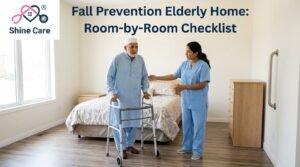

Daily life activities get more complicated as individuals get older due to mobility issues and health problems. Actions that are challenging and make them vulnerable to falls and health complications. Elderly care at home offers a secure, comfortable, and dignified answer that enables the elderly to stay comfortable in what they know. Environment as a person gets professional mobility support and nursing help. This is not only better physically healthy but also healthier emotionally.
Significance of Home-Based Elderly Care.
Most of the elderly will opt to remain in their homes instead of coming to hospitals or care homes. Home care guarantees individual care, emotional support, and continuity. With exercise and physical assistance, elderly people are able to be self-sufficient without remaining healthy and medically assisted.
Mobility support for aged patients.
Mobility assistance is one of the aspects of elderly home care, which enables elderly people to move safely and efficiently, preventing fear of falls and injuries.
- Walking Aids
Walking sticks, canes, and crutches offer balance to weak-muscled seniors, as well as support for pain, or conditions after stroke. These aids assist elderly patients to move with confidence in their homes.
- Wheelchairs
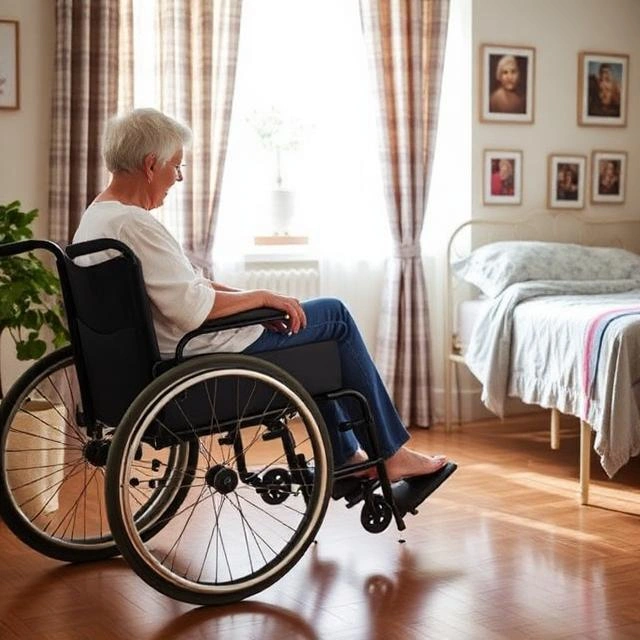
Wheelchairs are safe when used by the elderly who have little or no walking capacity. Choosing the right wheelchair-manual or motorized-makes it comfortable, properly seated, and not problematic movement.
- Hospital Beds & Transfer Aids
Adjustable hospital beds offer more comfort to elderly patients to be able to sit, lie down, or change positions. Transfer aids like grab bars, patient lifters, and bed rails enhance safety in movement.
- Fall Prevention Equipment
Fall risks are greatly eliminated with non-slip peace of mind, handrails, bedside commodes, and adequate lighting, which are chief injury-causing agents in the elderly.
Creating a Safe Home Environment for Seniors
A safe living environment is just as important as medical care. Small changes such as removing loose rugs, keeping walkways free from obstacles, installing grab bars in bathrooms, and ensuring good lighting can significantly reduce the risk of falls. These simple adjustments allow older adults to move around the home with greater confidence while supporting their independence.
The Importance of Regular Health Assessments
As people age, their health needs can change quickly. Regular assessments by qualified healthcare professionals help identify new medical concerns before they become serious. Monitoring mobility, nutrition, hydration, memory, and vital signs allows nurses to adjust the care plan according to the patient’s current condition. Early intervention often leads to better health outcomes and fewer emergency hospital visits.
Home Nursing Assistance for Elderly Care
Professional nursing help is critical in handling health status and delivering daily medical support.
- Medical Monitoring
Nurses check blood pressure, blood sugar, oxygen, and general health on a regular basis. Identify issues in good time and avoid crises.
- Drug & Therapy Assistance.
Elderly patients usually have a combination of drugs. Nurses guarantee timely medication administration, injections, IV therapy, and treatment adherence.
- Personal Hygiene & Daily Care
Caregivers help in bathing, dressing, feeding, toileting, and personal hygiene, saving face and comfort.
- Chronic Disease & Post-Hospital Care.
Home nurses treat chronic diseases that include diabetes, heart disease, arthritis, and dementia, also post-surgery and post-hospital recovery.
Psychological Support & Emotional
Older people are prone to loneliness and depression. Skilled and caring nurturers give social support, emotional reassurance, and psychological stimulation, enhancing general quality of life.
Family role in home care of the elderly.
Family involvement enhances care outcomes. Nursing staff coordination and monitoring care and emotional support are a guarantee that seniors feel important and safe.
Conclusion
Proper mobility support and nursing aid make elderly care at home possible to enable the elderly to live with ease, comfort, and safety. Accompanied by professional healthcare services, it will be possible to combine home coziness. Families will be able to provide their loved ones with high-quality care as long as they are respecting dignity and serenity.
FAQs
Q1: Who can benefit from elderly care at home?
Home elderly care is suitable for seniors who need assistance with daily activities, mobility support, medication management, or ongoing medical supervision while remaining in their own homes.
Q2: Can elderly home care be arranged for a few hours each day?
Yes. Many home care providers offer flexible schedules, including hourly visits, daytime care, overnight assistance, and 24-hour support depending on the individual’s needs.
Q3: How does home nursing help elderly patients?
Home nurses monitor health conditions, administer medications, provide wound care, manage chronic illnesses, and support recovery after hospitalization, all within the patient’s home.
Q4: What equipment can improve mobility and safety at home?
Common mobility and safety aids include walking sticks, walkers, wheelchairs, adjustable hospital beds, grab bars, bed rails, and non-slip flooring accessories.
Q5: Why is emotional support important for older adults?
Regular companionship and emotional encouragement can reduce feelings of loneliness, improve mental well-being, increase confidence, and contribute to a better overall quality of life.