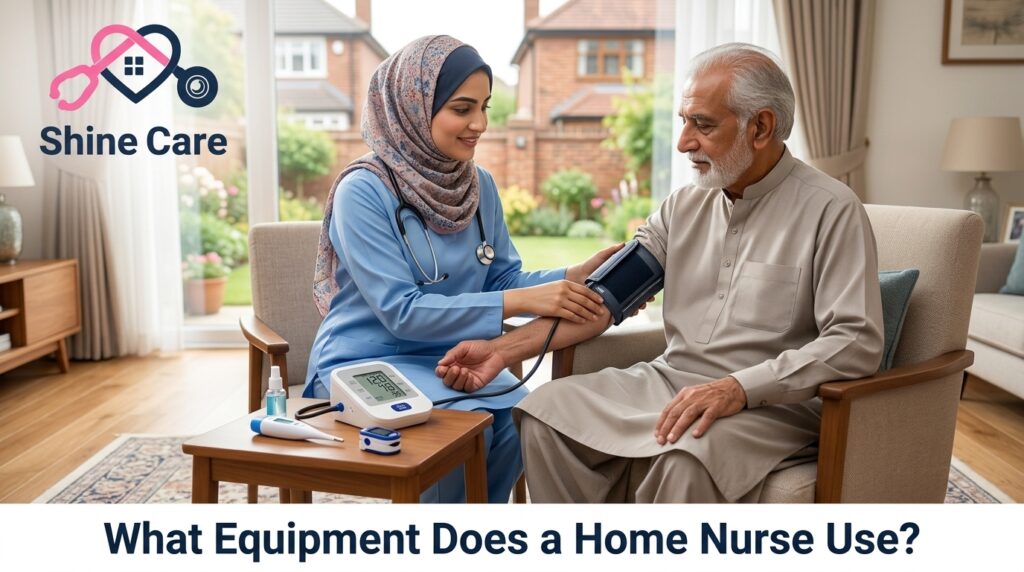
A home nurse typically uses basic monitoring tools a blood pressure monitor, pulse oximeter, thermometer, and stethoscope alongside hygiene supplies and, when relevant, wound care materials. The exact equipment depends entirely on the patient’s condition, the doctor’s recommendations, and the specific type of nursing care required, rather than a fixed kit every nurse carries regardless of the case.
Home nursing isn’t simply about having someone present in the house. Professional nurses bring specific tools suited to what a particular patient actually needs, and understanding what those tools are and why they’re used helps families know what to expect once home nursing services in Lahore begin for a family member.
What Equipment Does a Home Nurse Commonly Use?
Blood Pressure Monitor. Regular blood pressure checks are often part of routine patient care, particularly for elderly patients or those managing cardiac conditions, helping catch concerning trends early.
Pulse Oximeter. This small device clips onto a fingertip to measure oxygen saturation and pulse rate, useful for patients with respiratory concerns or those recovering from illness affecting breathing.
Thermometer. Temperature monitoring helps track for signs of infection or fever, particularly relevant during post-surgical recovery or when managing an ongoing illness.
Glucometer. For diabetic patients, blood glucose monitoring may be part of the care plan when the doctor has determined this tracking is appropriate for the patient’s situation.
Stethoscope. Nurses may use this for basic assessment, listening to heart and lung sounds as part of routine observation.
Medical Gloves and Basic PPE. Hygiene and infection control matter throughout any patient interaction, protecting both the patient and the nurse.
Dressing and Wound-Care Supplies. When wound care is part of the care plan, nurses use appropriate sterile supplies to manage dressing changes safely.
Mobility and Patient-Support Equipment. Walking aids or basic transfer support may come into play depending on the patient’s mobility level and daily needs.
Other Specialized Equipment. Some patients require additional equipment such as oxygen support, suction machines, hospital beds, or patient monitors, arranged specifically based on the individual care plan.
Does Every Home Nurse Carry the Same Equipment?
No, and this varies considerably based on the patient’s condition, the doctor’s specific instructions, the type of nursing service arranged, the patient’s age, their recovery stage, and how much monitoring their situation actually calls for.
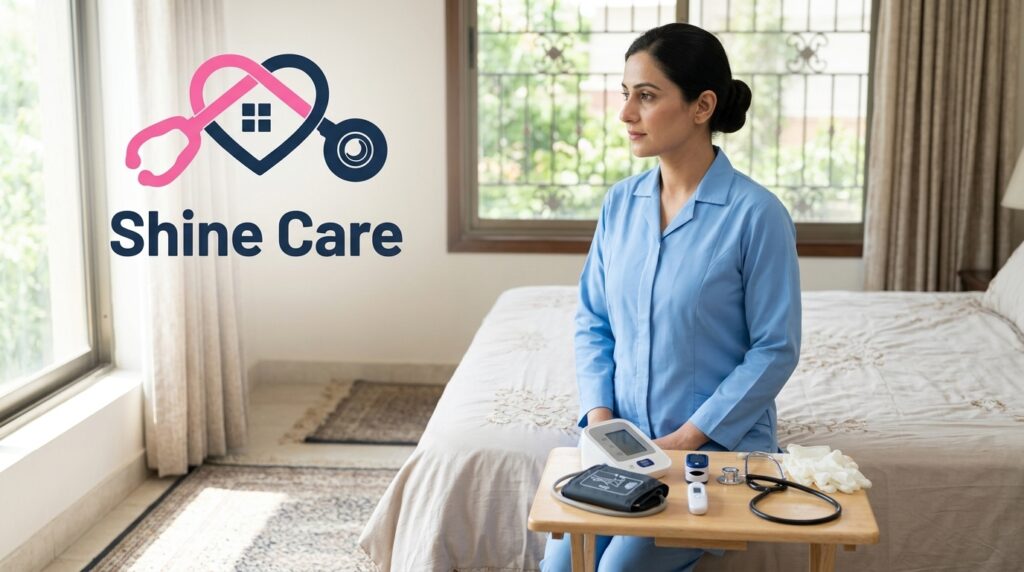
An elderly patient needing routine daily support might mainly need a blood pressure monitor and general observation, while a post-surgery patient might need wound care supplies and closer monitoring for signs of infection. These are genuinely different situations requiring genuinely different equipment, not a one-size-fits-all nursing kit.
How Does Equipment Help a Home Nurse Care for a Patient?
Proper equipment supports routine monitoring that catches small changes before they become bigger problems, and early observation — a temperature trending upward, oxygen levels dipping slightly — often makes the difference between a manageable adjustment and a hospital readmission.
This equipment also supports safe patient care generally, proper wound care when needed, and monitoring related to medication effects. Beyond the clinical side, it supports patient comfort and gives nurses concrete information to communicate clearly with family members and healthcare providers. It’s worth being honest that equipment alone doesn’t guarantee safety — it’s a tool that supports a trained nurse’s judgment, not a replacement for it.
When Does a Patient Need More Specialized Equipment?
Some patients require additional equipment based on their specific medical condition — oxygen equipment for respiratory support, suction machines for airway clearance, hospital beds for positioning needs, patient monitors for closer vitals tracking, or mobility equipment for patients with significant movement limitations.
This kind of specialized equipment should always be selected according to medical advice and the patient’s actual requirements, not arranged based on general assumptions about what might be useful.
Can Home Nursing Be Provided Without Hospital Equipment?
Yes, many patients receiving home nursing genuinely don’t need advanced hospital-grade equipment at all. A patient managing routine elderly care or recovering from a minor procedure may only need basic monitoring tools, while a more complex case might require considerably more.
The required equipment depends entirely on the patient’s individual care plan. That said, home nursing — with or without specialized equipment — isn’t a substitute for emergency hospital treatment when a patient’s condition genuinely requires that level of care.
How Shine Care Supports Patients at Home
Shine Care provides professional home nursing built around each patient’s actual condition, whether that involves elderly care, post-surgery recovery, or ongoing chronic illness management. Nurses are matched to what the specific case requires, with equipment and monitoring arranged accordingly rather than applied generically.
Patient-focused care includes clear communication with families throughout the arrangement, so relatives understand how their loved one is actually doing. According to the National Institute on Aging, home health services can include monitoring a patient’s health status and coordinating care between the patient, family, and healthcare providers — which is exactly the kind of coordinated support proper equipment and trained nursing staff make possible. Families exploring home nursing services in Lahore can expect this same emphasis on matching care and equipment to what their family member genuinely needs.
Frequently Asked Questions
Most home nurses use a blood pressure monitor, pulse oximeter, thermometer, and stethoscope for routine assessment, with additional supplies added based on the specific patient’s care plan.
Yes, nurses typically bring basic monitoring and hygiene equipment, while more specialized items like hospital beds or oxygen equipment are usually arranged separately as part of the broader care setup.
No, this depends on the patient’s condition. Patients with respiratory concerns or recovering from certain illnesses are more likely to need this monitoring than a stable patient with routine care needs.
Yes, when wound care is part of the prescribed care plan, nurses use appropriate sterile supplies and proper technique to manage dressing changes safely.
Not always. Many patients manage well with their existing bed setup, while others with more significant positioning or mobility needs may benefit from a hospital bed arranged specifically for their situation.
This should be determined based on the treating doctor’s recommendations and an assessment of the patient’s specific condition, not a generic assumption about what every patient in a similar situation needs.
Conclusion
Home nurses use different equipment depending entirely on the patient’s condition, doctor’s recommendations, and the specific care plan in place — there’s no single standard kit that applies to every case. Families looking for professional home nursing services in Lahore can contact Shine Care to discuss their patient’s specific care requirements and understand what equipment and support would genuinely fit their situation.