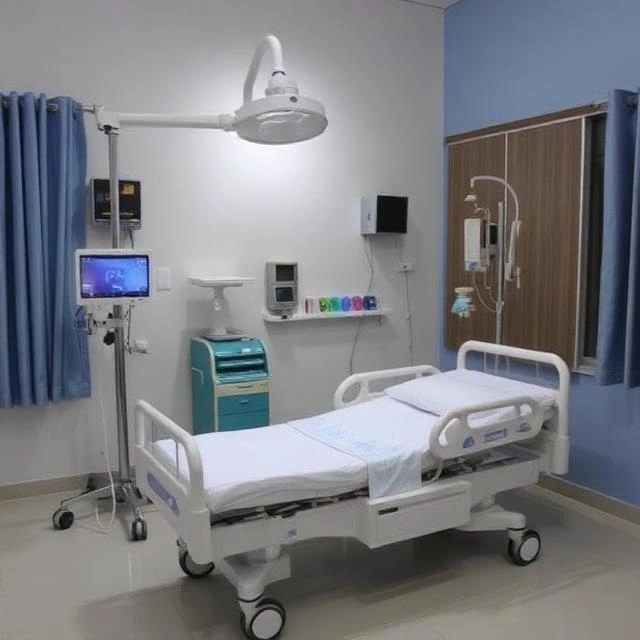
Home care of medical equipment is mostly the most appropriate choice for patients recovering from disease, surgery, or dealing with chronic illness. Hospital bed, oxygen, etc. Comfort and safety can be greatly enhanced with the help of concentrators, wheelchairs, and suction machines at home. Nevertheless, there are numerous errors that can be avoided in the process of renting, which occur in many families and can cause stress, additional expenses, or affect patient care. Knowledge about these misconceptions can be used to assist families to make better decisions.
Hiring Gear without a Medical Prescription.
Among the most frequent errors, there is the selection of medical equipment without a doctor consultation, nurse, or physiotherapist. The families might take it upon themselves to think about what the patient requires. The improper equipment or the inappropriate specifications (equipment gone wrong, or the wrong bed size, oxygen flow rate, and so on) The type of wheelchair may be useless or even harmful. Professional advice should always be sought before renting any medical equipment to make it fit the patient’s condition and degree of mobility.
Disregard of Quality and Safety Standards.
Most families are price conscious and do not bother with the quality and safety of the equipment. Malfunctioning equipment of poor quality or in bad condition is likely to cause uneasiness or more danger of injury. In order to rent, it is always advisable to rent from a reputable medical equipment provider that provides well-maintained equipment, cleaned and hygienic equipment. Inquire about servicing, tests, and hygiene procedures in advance before finalizing the rental.
Failure to comprehend the way to operate the equipment.
Failure to seek proper demonstrations or instructions of use is another big error. Medical equipment frequently needs to be in proper placement, adjusted, and checked. Without proper counseling, families can operate the equipment in the wrong way, decreasing its efficiency or inducing harm. One should always demand demonstration and written instructions and make sure that at least one family member knows the way of safe operation of the device.
Ignoring space and home setup requirements.
Family members will rent huge equipment such as hospital beds or oxygen machines without taking available space at home into account. This may result in improper positioning and lack of movement or inconvenience of the patient or caregivers. Prior to renting, determine room size, electrical requirements, and doorways. Due to good planning, there is smooth installation and a friendly home nursing environment.
Checking Equipment Before Delivery
Before accepting any rented medical equipment, families should carefully inspect its condition. Make sure the equipment is clean, appears well-maintained, and includes all necessary accessories. If anything seems damaged or incomplete, report it to the supplier immediately. A quick inspection before use helps avoid unexpected problems and ensures the equipment is ready for safe patient care.
Understanding the Rental Agreement
Many families overlook the terms and conditions of a rental agreement. Before signing, ask about delivery charges, extension policies, replacement procedures, maintenance responsibilities, and any additional fees that may apply. Understanding these details in advance helps prevent misunderstandings and allows families to manage healthcare expenses more effectively.
Renting the Wrong Duration.
Another problem is the selection of the incorrect rental period. There are those families that hire equipment not long enough and run the risk of paying extension fees several times over, and others rent too long when it’s no longer needed. Talk to healthcare professionals about the anticipated time of recovery and select flexible rental options, which can be changed during the condition of the patient changes.
Neglecting After-Sales Support and Emergency Services.
Medical equipment can need modification, maintenance, or immediate repair. Families usually forget to inquire about after-sales support, emergency services, and replacement policy. A trustworthy supplier is supposed to provide timely assistance, particularly to essential machinery such as oxygen machines or suction units.
Conclusion
Home-based patient care can be significantly increased by renting medical equipment, but only in case it is done correctly. Families can do this by not making these usual mistakes and by collaborating with trusted providers to guarantee their families’ safety, comfort, and peace. Always prioritize medical instruction, quality, appropriate training, and good assistance in renting medical equipment for home care.
FAQs
Q1: How do I know which medical equipment is right for the patient?
A doctor, physiotherapist, or qualified healthcare professional should assess the patient’s condition before recommending the most suitable medical equipment.
Q2: Can rented medical equipment be replaced if it develops a fault?
Most reliable rental providers offer technical support and equipment replacement if a verified fault occurs during the rental period. It is always advisable to confirm the replacement policy before renting.
Q3: Should I inspect the equipment before using it?
Yes. Check that the equipment is clean, complete, and functioning properly. If you notice any damage or missing parts, contact the supplier before using it.
Q4: What should I ask before renting medical equipment?
Ask about delivery, installation, maintenance, emergency support, replacement services, rental duration, and any additional charges so you fully understand the rental agreement.
Q5: Is professional installation necessary for all medical equipment?
For equipment such as hospital beds, oxygen concentrators, suction machines, and patient lifts, professional installation and proper instruction help ensure safe and correct use.