

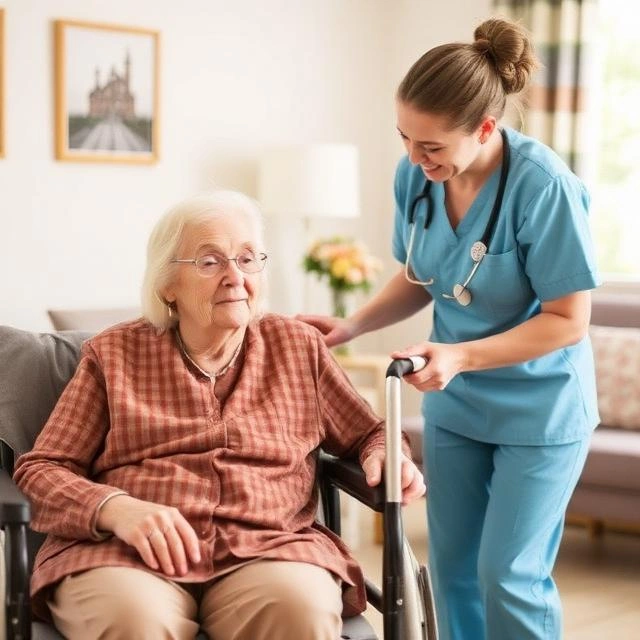
Home nursing care has emerged as a critical solution for families that have critically ill patients and elderly patients. It enables patients to have access to professional medical assistance in the comfort of their homes, have their own homes and remain dignified, emotionally strong, and cared for. This guide describes the nature of home nursing care, who requires it, and how the best can be guaranteed by the family possible care.
What Is Home Nursing Care?
Home nursing care entails trained health caregivers such as registered nurses and ICU, nurses, caregivers, and physiotherapists – medical and personal care to a patient home. Basic daily support services are provided up to advanced medical support services that are critical patients, such as post-ICU and stroke recovery and chronic disease management.
Individual Care Plans for Every Patient
Every patient has different healthcare needs. A professional home nursing service develops a personalized care plan based on the patient’s medical condition, age, recovery goals, and doctor’s recommendations. The care plan is reviewed regularly so that nursing support can be adjusted as the patient’s health improves or changes. This personalized approach helps ensure safe, effective, and consistent care at home.
Who Needs Home Nursing Care?
Home nursing care is best suited for:
- Patients of old age that require support in daily activities.
- Patients that are postoperative and post-hospitalization.
- Intensive care patients that need monitoring and treatment.
- Bedridden or paralysis or stroke.
- Uniformed patients (diabetes, COPD, or heart disease of a chronic nature).
Home Nursing Service Types.
1. Home-based Critical Care Nursing.
Critical patients may need constant surveillance of the vital signs, oxygen administration, suction, ventilator, feeding, and medication. Hospital services are provided by ICU-trained nurses, level care and decreasing the risk of development of hospital-acquired infections.
2. Elderly Care Services
The geriatric patients might require assistance in mobility, hygiene, eating, medication alerts, and falls prevention. Home nursing promotes independence, safety, and comfort.
3. Post-Hospitalization & Rehabilitation Care
After discharge, many patients require wound care, injections, IV therapy, physiotherapy, and regular health assessments. Professional home nurses help speed up recovery and prevent readmission.
4. Palliative & Long-Term Care
In cases of life-limiting illnesses, home nursing is pegged on pain management, comfort, etc. Help them with their need, emotional support, and dignity, in addition to advising family members.
Regular Health Monitoring at Home
One of the biggest advantages of professional home nursing is continuous health monitoring. Nurses regularly check vital signs such as blood pressure, pulse rate, temperature, oxygen saturation, and blood sugar when required. Early detection of health changes allows doctors to take timely action and reduces the chances of serious complications or emergency hospital visits.
Advantages of Home Nursing Care.
- Personalized Care: One-on-one care based on the condition of the patient.
- Comfort and Familiarity: Healing at home.
- Decreased Risk of Infection: Minimal exposure to hospital infection.
- Cost-Effective: It is usually cheaper than protracted hospitalization.
- Family Involvement: Families are still closely involved in care.
Selection of the appropriate home nursing provider.
In choosing a home nursing service, the family should take into account:
- Nursing personnel qualifications and experience.
- The presence of ICU-trained nurses on emergencies.
- On-call and emergency response.
- Proper background checks and supervision
- Comprehensible service plans and pricing.
Home Nursing Care Role of Family.
The role of family members is essential since they coordinate with nurses, uphold hygiene, and observe patient comfort and giving emotional support. Family and good communication between family and a professional in healthcare guarantees high results.
Conclusion
Home nursing care is a safe, compassionate, and effective form of care provision to critical and elderly patients as an alternative to hospital care. Through professional competency, effective planning, and family engagement, Patients will be capable of getting high-quality medical care and remaining close to their loved ones. Choosing a trustful home nursing care guarantees the peace of mind and the quality of life of the two patients and families.
FAQs
Q1: What services are included in home nursing care?
Home nursing may include medication management, wound care, injections, vital sign monitoring, catheter care, feeding tube support, post-surgical care, elderly care, and assistance with daily activities, depending on the patient’s condition.
Q2: Can home nursing care be arranged on a short-term basis?
Yes. Home nursing services are available for both short-term recovery after surgery or illness and long-term care for patients with chronic or complex medical conditions.
Q3: Are home nurses qualified healthcare professionals?
Professional home nursing providers employ trained and experienced nurses who follow medical protocols and work according to the patient’s treatment plan prescribed by the doctor.
Q4: How often will a home nurse visit the patient?
The visit schedule depends on the patient’s medical needs. Services may include hourly visits, daily nursing care, overnight assistance, or full-time 24-hour nursing support.
Q5: Can home nursing reduce hospital readmissions?
For many patients, regular monitoring, proper medication management, and early identification of health concerns can lower the risk of preventable hospital readmissions and support a smoother recovery.